101 Objects from the Lands of Islam- How to Count, Cook, Calligraph and More, From Morocco to Indonesia, #78-#83

ANIMALS

-OSTRICH EGG- IN ARABIC, OSTRICH ("NA'AAMA") COMES FROM THE SAME VERBAL ROOT ("NA'AMA" MEANING "FAVOR", "BENEFIT", AND "HAPPINESS") AS THE COLLECTIVE PLURAL FOR "GRAZING ANIMALS" ("NA'AM", ALSO MEANING "YES"!)... IN URDU, FARSI, AND HINDI, OSTRICH IS "SHOTOR MURGH", OR "CAMEL CHICKEN".....EGG IS SYMBOL OF LIFE (IN DESERT), IN HADITH ASSOCIATED WITH MUHAMMAD’S DRINKING CUP, AN ANATOLIAN ARACHNOFUGE, HUNG FROM OTTOMAN MOSQUE CEILINGS TO DRIVE AWAY SPIDERS...or as rain-shedding finial toppers on earthen minarets and spires of mosques in Mali
-TITANOTYLOPUS AND CAMELOPS HESTERNUS, EARLY CAMELOIDS OF N.AMERICA, ANCESTORS OF DROMEDARIES, SKELETONS AT YALE AND LA BREA TAR PITS MUSEUM

-ZARAFA, SUDANESE GIRAFFE GIFT TO CHARLES X OF FRANCE FROM MD.ALI OF EGYPT IN 1827, WALKED TO PARIS FROM MARSEILLE IN 40 DAYS, ORIENTALIST SPECTACLE EN ROUTE, LATER DISPLAYED AT JARDIN DES PLANTES, ITS TAXIDERMY NOW AT LA ROCHELLE MUSEUM

-AKHAL-TEKE HORSE, OF TURKMENISTAN, BRED FROM DESCENDENTS OF MONGOL PONIES, FAMOUS PROBEG “LONG RIDE” IN 1935 TO MOSCOW ASKING STALIN TO REAUTHORIZE PRIVATE BREEDING

-ARABIAN ORYX, ORYX LEUCORYX, NATIVE TO ARABIAN PENINSULA, DECLARED EXTINCT IN THE WILD, THEN SUCCESSFUL REINTRODUCTION, BREEDING, AND CONSERVATION PROGRAMS

-ZOOMORPHIC AQUAMANILE- it could be an eagle, a lion, a ram or a peacock, as here from Al Andalus


mosqueegginterior.jpg
220px-La_Rochelle_-_Zarafa.jpg
220px-Dagat-Geli.jpg
Arabian_oryx_(oryx_leucoryx)(1).jpg
aquamanile.jpg

101 Objects from the Lands of Islam- How to Count, Cook, Calligraph and More, From Morocco to Indonesia, #72-#77

ARTS AND LANGUAGES

-GHALIB'S POETRY DIVAN, IN ITS PAPERBACK EDITION, SYMBOL OF URDU'S LITERARY MAGNIFICENCE  

-GOATSKIN BAG PIPES- LIBYAN ZUKRA, TURKISH TULUM, IRANIAN NEY ANBAN, TUNISIAN MIZWID

-CALLIGRAPHER’S PEN BOX

-ROSETTA STONE, ANCIENT EGYPT AS A NODE OF WESTERN and EASTERN LANGUAGES

-THE ARABIC LETTER “SIIN”, USED IN ALGEBRAIC EQUATIONS AS THE “X” VARIABLE, SAID TO COME FROM ABREVIATING THE ARABIC WORD “SHAY’UN” (MEANING “A THING”, IE A QUANTITY TO BE DETERMINED) TO ITS FIRST LETTER “SHIIN” (THEN DROPPING ITS 3 DIACRITICAL DOTS FOR CLARITY, THUS BECOMING “SIIN”)- LESS RELIABLE IS THE STORY THAT “SHIIN” BECAME “X” FIRST IN ANDALUSI MATHEMATICS, WHERE OLD SPANISH WROTE THE “SH” SOUND AS “X”

-LEATHER TOOLED BOOK COVER, SHOWING REVERENCE FOR THE WRITTEN WORD


ghalib.jpg
250px-Mezoued.gif
penbox.jpg
rose.jpg
Arabic_Sin.gif
book.jpg

101 Objects from the Lands of Islam- How to Count, Cook, Calligraph and More, From Morocco to Indonesia, #65-#71

War and Power

-OTTOMAN TUGHRA (#71), AS A SEAL STAMP OR CALLIGRAPHY, SYMBOL OF SULTAN’S AUTHORITY

-JADE FLY WHISK HANDLE, SYMBOL OF RULER’S AUTHORITY, HOW THE SO-CALLED “FLY WHISK INCIDENT”, IN WHICH THE OTTOMAN DEY OF ALGERIA SLAPPED THE FACE OF THE FRENCH CONSUL, LEADING TO A 120 YEAR OCCUPATION

-OTTOMAN CAMPAIGN TENT, some tents were of dedicated use for executions, with a central post as neck chopping block

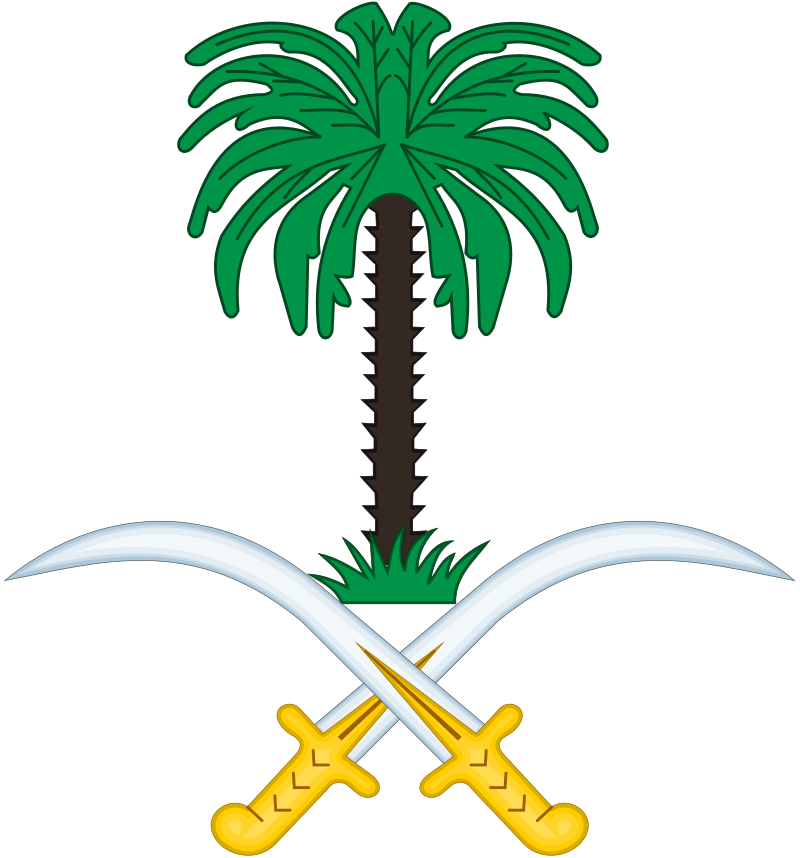
-DATE PALM and CROSSED SWORDS, on the COAT OF ARMS of the Kingdom of Saudi Arabia, SYMBOLS of LIFE and DEATH

-TURBAN HELMET, WITH ITS DISTINCTIVE TWISTED FLUTING

-ARCHERY THUMB RING, MANY ARE ORNATE, BEJEWELED, GILDED, SYMBOL OF ROYAL MILITARY PROWESS,

-HORSE STIRRUP, FROM TURKIC TRIBES OF ASIAN STEPPE, MADE POSSIBLE THE FORWARD EQUESTRIAN SEAT, THE SPANISH SAY "A LA JINETE", FROM ZENATA, NORTH AFRICAN BERBER LIGHT CAVALRY WHO ADOPTED THE STIRRUP MOST SUCCESSFULLY

tughra.jpg
credit VandA Museum, 19th C Indian flywhisk handle

credit VandA Museum, 19th C Indian flywhisk handle

HGM_Türkisches_Staatszelt(1).jpg
saudicoat.png
Turban_Helmet_MET_DP219400[1].jpg
WLA_vanda_jade_thumb_ring.jpg
stirrup.jpg

101 Objects from the Lands of Islam- How to Count, Cook, Calligraph and More, From Morocco to Indonesia, #59-#64

LIVING QUARTERS

-ROSEWATER SPRINKLER

-MAJMAR- CLAY INCENSE BURNER

-ALGERIAN FIBER-WOVEN FOOD TRAYS, SYMBOL OF COMMUNAL MEAL TAKING

-MASS MANUFACTURE PLASTIC FLOOR/GROUND COVERING MAT, AN INSTANT, ANYWHERE SOCIAL SPACE

-SHERBET SPOONS (PHOTO: CHRISTIES CATALOGUE, LOT 192, ART OF ISLAMIC WORLD, 4/21/16, KING ST., LONDON, ALSO AL SABAH COLLECTION), FOR DISCUSSION OF ME’S ORIGIN OF SHERBET

-HAND WASHING BASIN/EWER WITH STRAINER/SOAP HOLDER

rosewater.jpg
incense.jpg
foodtray.jpg
plastic roll out seating mat, made in India

plastic roll out seating mat, made in India

19th C sherbet spoon from Abadah, Iran, carved from pear and box wood

19th C sherbet spoon from Abadah, Iran, carved from pear and box wood

ewer.jpg

101 Objects from the Lands of Islam- How to Count, Cook, Calligraph and More, From Morocco to Indonesia, #53-#58

DRINKING

-Leather goatskin WATER Bag, essential for caravaneers so that their storage VESSELS NOT BREAK WHEN TIED TO THE SADDLE, Better TO SLOSH AGAINST THE RIBS OF A SKINNY CAMEL than to CRACK and SHATTER IN MID-SAHARA.

-LUCK OF EDENHALL Enameled GLASS, THE EARLIEST KNOWN ISLAMIC ART PIECE TO ARRIVE IN WESTERN EUROPE, probably in the saddle bag of a returning Crusader, many of its kind were used as chalices in the Catholic mass, this one became a toy in an English baronial family’s drinking game

-ZIR, HANDLE-LESS CLAY WATER POT, its rounded bottom PLACED IN a STAND, FOR PUBLIC DRINKING ON CITY STREETS, IN EGYPT.. AND EVERYWHERE,

-JEBENA COFFEE POT MADE FROM HAMMERED/SOLDERED STRIPS OF OLD TIN CAN in SUDAN, A STORY OF RECYCLING, WASTE NOT/WANT NOT

-AZERI TEA SAMOVAR, ADAPTED FROM RUSSIA, WITH AZERBAIJAN-SPECIFIC DECORATION

-TULIP SHAPE TEA GLASS, UBIQUITOUS for drinking TURKISH CAY, hot to hold without a handle


algeria-djanet-men-of-tuareg-tribe-camel-caravan-goatskin-filled-with-B4P1MP.jpg
2006AP2093-luck-of-edenhall-960.jpg
louvre-jarres-ltigtzirltigt-avec-leurs.jpg
adlib-image.jpg
17471151-samovar-for-preparing-tea-chai-in-a-small-village-in-azerbaijan.jpg
nota-turkish-tea-glass.jpg

101 Objects from the Lands of Islam- How to Count, Cook, Calligraph and More, From Morocco to Indonesia, #47-#52

JOURNEYS

-CAMEL HOBBLES, WHEN NOMADS AND CARAVANEERS STOP FOR THE NIGHT, CAMELS TOO MUST BE STOPPED

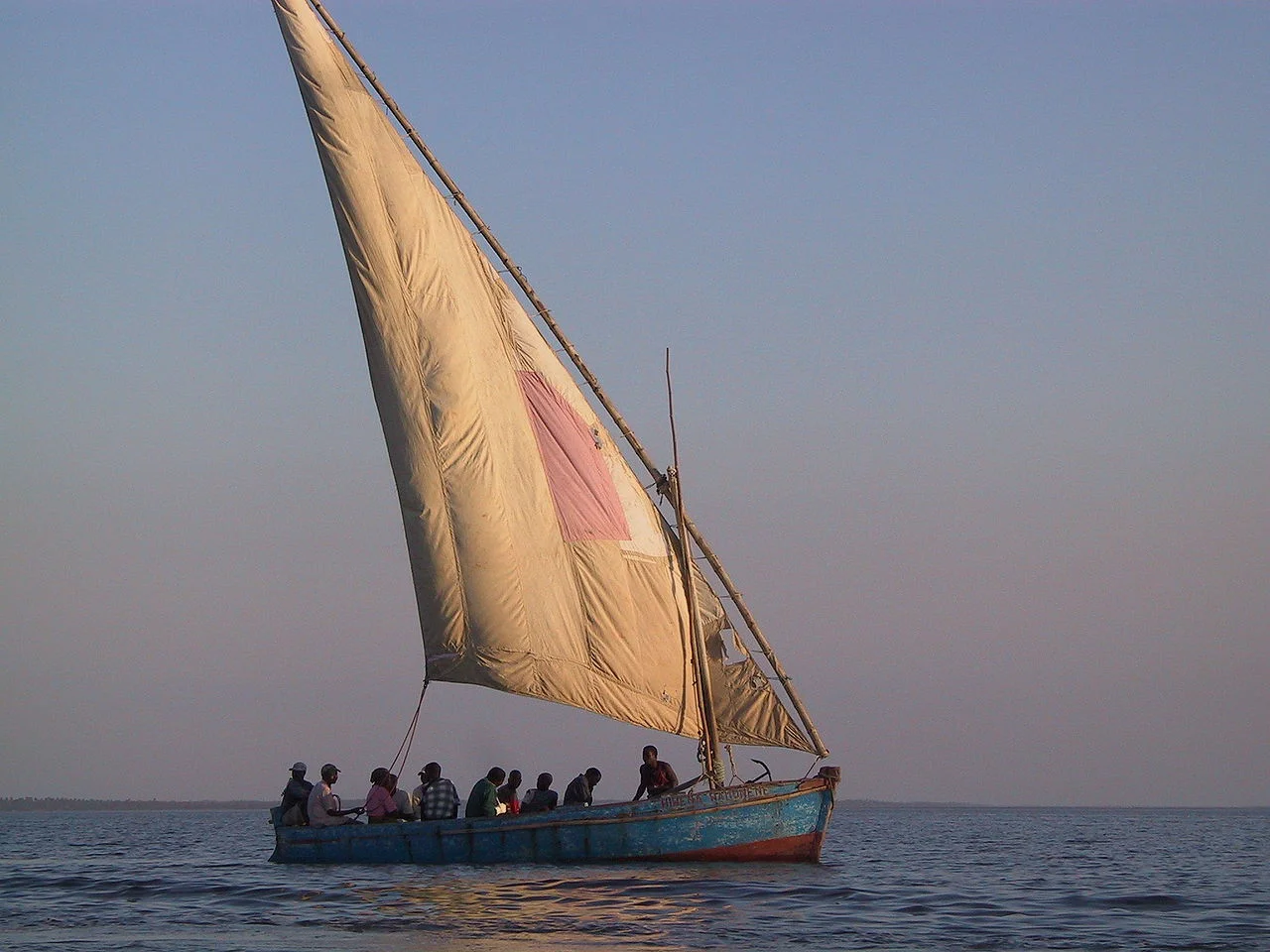
-LATEEN SAIL, PRACTICAL RIG FOR DHOWS, FELUCCAS, AND FACTORY-MADE SUNFISH SAILBOATS

-QURAN RECITATION CD, HUNG FROM A CAR'S REAR VIEW MIRROR, MUCH MORE OSTENTATIOUS THAN A BOXED QURAN ON THE BACK SEAT SHELF

-TUAREG CAMEL TRAPPINGS, LEATHER TRIM AND POMPOMS, often also TACKED GAUDILY AROUND THE WINDOWS OF THE FRONT CAB AS DECORATION FOR TRANS-SAHARAN LORRIES

-ASTROLABE

-CALOTYPE OF TAJ MAHAL BY PHOTOGRAPHER DR. JOHN MURRAY, CIRCA 1856, WHO ESTABLISHED THE STANDARD POVS FOR MILLIONS OF SELFIE AND SNAPSHOT CRAZED TOURISTS, THOSE WHO APPEAR TO PLUCK UP THE PLACE BY ITS DOME TOPPED FINIAL BETWEEN FOREFINGER AND THUMB, WHO FOLLOWED IN FOLLOWING CENTURIES


HobbleCamel.jpg
lateen.JPG
cd1.jpg
photoCamelSaddles.jpg
1024px-Astrolabe-Persian-18C.jpg
dr-john-murray-taj-mahal-east-agra-india-early-1860s-waxed-paper-negative.jpg

101 Objects from the Lands of Islam- How to Count, Cook, Calligraph and More, From Morocco to Indonesia, #42-#46

PAGES OF ARABIC PENMANSHIP

-KUFIC, GEOMETRIC, THE LANGUAGE’S ORIGINAL SCRIPT

-NASKH, CALLIGRAPHIC CURSIVE “1.0”, FROM WHICH OTHER CURSIVES DEVELOPED

-RUQ’A, BALL POINT PEN CURSIVE, HOW EVERYONE WRITES….EVEN A LAUNDRY LIST WILL DO…

-NASTA’LIQ, FOR PERSIAN AND URDU

-SINI, CHINESE CALLIGRAPHY-INSPIRED, EXAMPLE OF OTHER REGIONAL SCRIPTS EG. SOUDANI AND ANDALUSI


kufic-calligraphy-from-a-koran-manuscript_u-l-oe4tr0(1).jpg
naskh3.jpg
istockphoto.jpg
nastaliq.png
Chinese_quran.jpg

101 Objects from the Lands of Islam- How to Count, Cook, Calligraph and More, From Morocco to Indonesia, #32-#41

OBJECTS NAMED BY THEIR PARTICULAR PLACE

-KASHMIRI SHAWL, 19TH C EUROPEAN MASS MANUFACTURE FAD, BENT CEDAR MOTIF NAMED FOR WEAVING CTR. OF PAISLEY, SCOTLAND

-BIDRIWARE BOWL, INLAID METALWORK, 16TH C, BIDAR, DECCAN INDIA

-ALHAMBRA VASE, VERY RARE GOLD-TONE LUSTERWARE URNS, 14-15TH C, NASRID SPAIN

-CAUCASUS CARPET, KNOWN FOR DIVERSE UNIQUE DESIGNS WITHIN CONFINED MOUNTAIN VALLEYS, PATTERNS CODIFIED/CATALOGUED BY 20TH C AZERI CARPET SCHOLAR LATIF KARIMOV

-IZNIK PLATE, UNIQUE COLORS AND GLAZE, 16-17TH C, IZNIK, WESTERN ANATOLIA

-DAMASCENE STEEL

-BASRA PEARLS, QURANIC SYMBOLS OF PARADISE (35:33) AND GOD’S POWER (55:22), LOOSE AS CURRENCY UNITS, SET IN JEWELRY AS DOWRY WEALTH

-ANGORA GOAT

-TANGERINE FRUIT

-MOKHA COFFEE BEAN

kashmir.jpg
bidri.jpg
alhambravase.jpg
Kuba_or_Daghestan_sumakh.jpg
Cypress_Tree_Decorated_Ottoman_Pottery_P1000591.JPG
Watered_pattern_on_sword_blade1.Iran.JPG
basrapearl.jpg
1024px-Quebec_angora_goat.jpg
Want_a_tangerine_.jpg
mochajavaespresso-coffee-beans.jpg

101 Objects from the Lands of Islam- How to Count, Cook, Calligraph and More, From Morocco to Indonesia, #27-#31

BODY CARE

-HENNA POWDER PACKET- A NATURAL HAIR DYE USED THROUGHOUT THE ISLAMIC LANDS, WITH HADITH TRADITION TIED TO PROPHET MUHAMMAD, SPREAD NOW TO THE MULTI-BILLION DOLLAR WORLDWIDE BEAUTY INDUSTRY, POPULARIZED IN EUROPE BY “RED HAIR” CRAZE OF 19TH C PRE-RAPHAELITE PAINTERS- NB, ONLY ELIZABETH SIDDAL, THE DRUG ADDICTED WIFE AND MODEL OF DANTE GABRIEL ROSSETTI, HIMSELF WITH A RED BEARD, AMONG THEIR CIRCLE WAS A NATURAL GINGER

-KOHL STICK, FOR EYELINER, THE POETIC TROPE OF “GAZELLE EYES”, FROM ELIZABETH TAYLOR’S CLEOPATRA TO A SUDANESE DROVERS SONG COMPARING A CAMEL’S EYE TO A SEIKO WATCH

-ARGAN OIL GLASS, VIAL

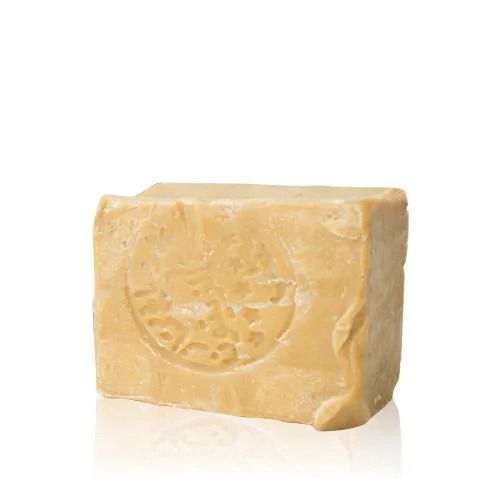
-LAUREL OIL SOAP, BAR

-NEEM STICK, OR MISWAK, SANCTIONED FOR USE BY PROPHET MUHAMMAD, FOR TOOTH BRUSHING


download.jpg
download (1).jpg
03_argan-4oz_1000x1000.jpg
Aleppo_Soap_bb4047ea-2d4c-458e-a20c-791c8b9529be_1280x1280.jpg
s-l640.jpg

101 Objects from the Lands of Islam- How to Count, Cook, Calligraph and More, From Morocco to Indonesia, #19-#26

WEARABLES AND COVERINGS

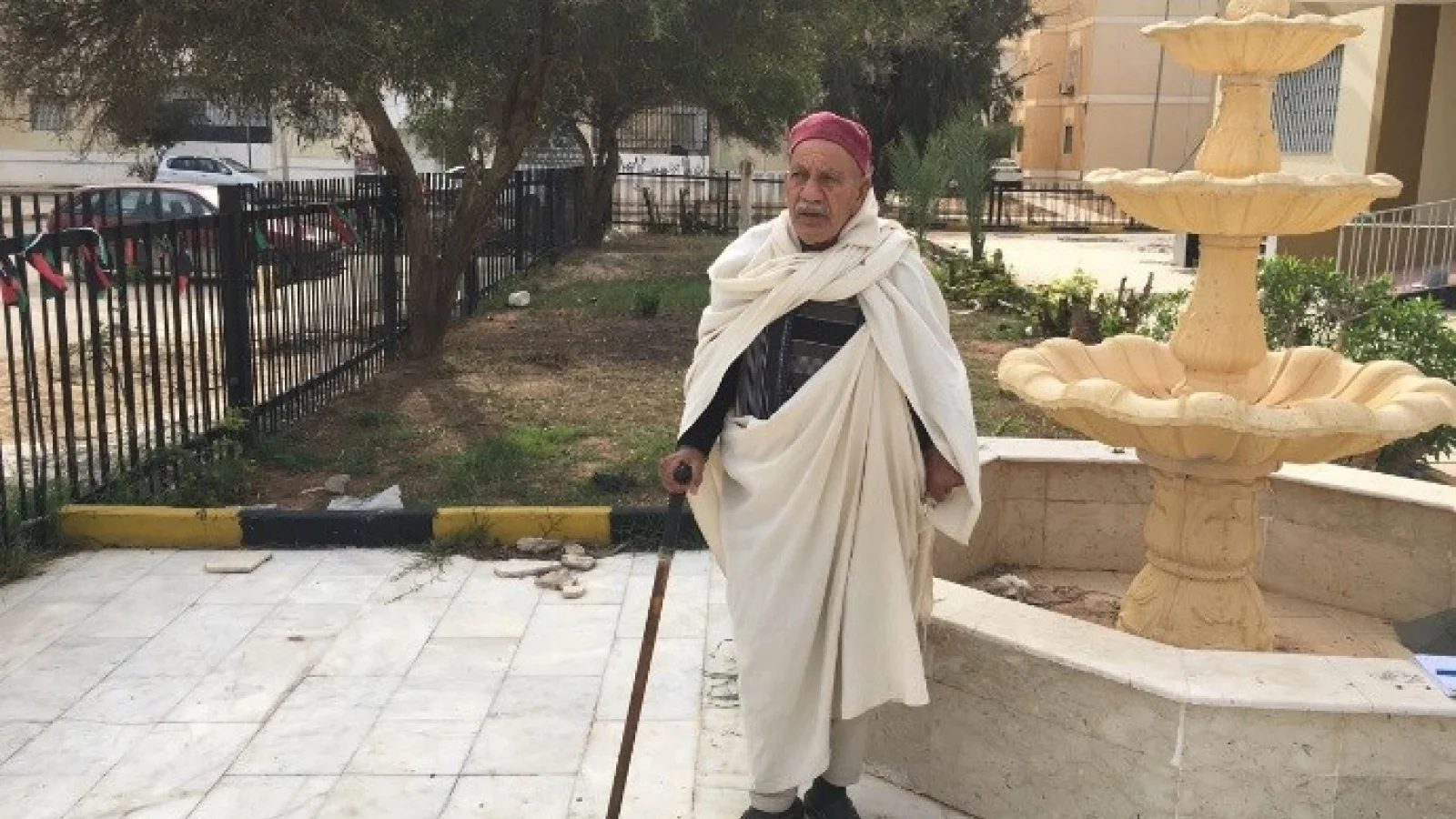
-A LIBYAN MEN'S TOGA-LIKE CLOAK, JARID, FROM ROMAN INFLUENCE, QADDAFI OFTEN APPEARED IN ONE, FROM THE VERBAL ROOT JARADA MEANING TO DENUDE, DIVEST, STRIP, BARE

-A PHULKARI SHAWL, A ONE OF A KIND SILK THREAD EMBROIDERY FOR PUNJABI BRIDES, SYMBOL OF DOWRY WEALTH

-A MALAYSIAN SONGKOK, A BRIMLESS BLACK MAN'S HAT, ASSOCIATED WITH MUSLIM SEPARATIST IDENTITY DURING THE INDEPENDENCE MOVEMENT

-A WOOL FELTED SHEPHERD CLOAK FROM ANATOLIA, ITS MULTI-USE DOUBLES AS CHIMNEY AND WIND BREAK FOR TEA FIRES WHILE TENDING SHEEP, AS A WARMING WRAP FOR NEWBORN LAMBS, A SYMBOL OF WINTER PASTORALISM

-A SPORTS HIJAB, SYMBOL OF GROWING MUSLIM WOMEN’S PRESENCE IN OLYMPIC SPORTS, NIKE DESIGNED ONE FOR MUSLIM AMERICAN FENCER IBTIHAJ MUHAMMAD

-SPACE AGE “META-MATERIALS”, BASED ON ISLAMIC GEOMETRY,

-CALLIGRAPHIC BATIKS, OTTOMAN TUGHRA-INFLUENCED DESIGN, FROM JAMBI IN WESTERN SUMATRA

UNDP_EU_libya_hospital.jpg
8427103_master.jpg
malay-male-adult-wearing-songkok-B0H341.jpg
f71e3c44817cd081850f65018936bfce--kurdistan-lion.jpg
p05tf8td.jpg
3668233eaed9aba157fcab57ee401b79.jpg
batik besurek jambi.jpg

101 Objects from the Lands of Islam- How to Count, Cook, Calligraph and More, From Morocco to Indonesia, #15-#18

TRADE AND COMMERCE

-A SHARIAH-COMPLIANT CREDIT CARD, EVEN THE BRITISH MUSEUM’S 100 OBJECTS SERIES PUTS THIS AT #99, JUST BEFORE A SOLAR POWERED PHONE CHARGER

-THE GOLD COIN OF ABD AL MALIK IBN MARWAN, 9TH CENTURY UMAYYAD CALIPH, WITH QURANIC INSCRIPTION, THE FIRST TO USE RELIGIOUS TEXT AND NOT ROYAL PORTRAITURE TO GUARANTEE PAYMENT 

-A MARIA THALER COIN, THE BASIC CURRENCY OF GULF STATES FIRST MINTED ALMOST THREE HUNDRED YEARS AGO, WHEN WESTERN IMPERIALISTS PUT THEIR DESIGNS OF THE REGION, SOMETHING LIKE A PACK OF KENT CIGARETTES IN THE BALKANS DURING THE MOST RECENT WAR, AN ARBITRARY HOLDER OF WEALTH, BY WHICH LOCAL PRODUCTS WERE VALUED IN FOREIGN EQUIVALENCE, A GLOBAL PRESTIGE OBJECT MAKING TRADE CONNECTIONS TO THE WIDER WORLD 

-A MODERN BANK CHECK, A PIECE OF PAPER BASED ON THE ISLAMIC FINANCIAL INSTRUMENT THE SAKK, WHICH FOR INSTANCE THE 11TH CENTURY TRAVELER NASIR I KUSRAW DESCRIBED CASHING IN BASRA


halal-card.jpg
coin.jpg
coin.jpg
ShahjalalIslamiBank_BD.jpg

101 Objects from the Lands of Islam- How to Count, Cook, Calligraph and More, From Morocco to Indonesia, #8-#14

PILGRIMAGE AND PIETY

-A HAJJ MAP, TYPICAL OF THE CENTURIES BEFORE GPS, SHOWING MECCA IN RELATION TO PILGRIM'S POINT OF ORIGIN

-A HAJJ GUIDE, BROCHURE IN MANY LANGUAGES, FOR PILGRIMS TO EXPLAIN RITUALS AND REQUIREMENTS WHILE EN ROUTE TO MECCA, ON SITE, AND ON THEIR RETURN

-IHRAM CLOTHING, NO STITCHING OR SEAMS, CLEAN WHITE, LEAVE BEHIND EVERYTHING FROM YOUR PAST LIFE, EXCEPT FOR YOUR WALLET

-A BISMALLAH, IN THE NAME OF ALLAH, PRINTED CALLIGRAPHY WITH PEEL-OFF ADHESIVE BACK, WHICH YOU MIGHT STICK ON ANYTHING YOU MIGHT USE OR NEED, A CAR OR A SCHOOL BOOK, TO SHOW GOD’S OMNIPRESENCE IN DAILY LIFE

-A PHONE APP QIBLA FINDER, MUCH BETTER THAN THE ASTROLABE, THE SUN DIAL, OR WAITING FOR THE MAGHRIB, PLACE IN THE WEST, WHERE THE SUN SETS

-A SILK PRAYER RUG, NOT WOOLEN PILE OR COTTON FLAT WEAVE, A LUXURIOUS SPACE THAT CAN WITHSTAND THE PHYSICAL PROSTRATIONS- FOREHEAD PRESSED TO THE GROUND, KNEES AND BACK BENT LOW- OF ISLAMIC PRAYER, 5 TIMES PER DAY, EACH ABOUT 10 MINUTES IN DURATION, SO SAY 50 MINUTES PER DAY, ALMOST 6 HOURS PER WEEK, 300 HOURS PER YEAR, OR 18,000 HOURS OVER A 60 YEAR LIFETIME SPENT ON THIS PERSONAL 3’ X 5’ PRIVATE LIFE RAFT

-A ZAMZAMIYYA FLASK, FOR WATER DRAWN FROM THE WELL AT ZAMZAM IN MECCA, NOT TO BE CONFUSED WITH THE ZAMZAMA, THE CANNON ON WHICH SAT KIM OUTSIDE THE HOUSE OF WONDERS, THE LAHORE MUSEUM

chart-of-red-sea_944x332.jpg
Bengali language guide to the hajj rituals

Bengali language guide to the hajj rituals

ihram.jpg
bismallah.jpg
Muslim Assistant is one of the best Qibla apps for android and iOS users. It is a popular real assistant for Muslims which allows you to know the prayer time, Qibla directions, Iftar & Suhour times and others. It also has listed holy Quran, Jumm…

Muslim Assistant is one of the best Qibla apps for android and iOS users. It is a popular real assistant for Muslims which allows you to know the prayer time, Qibla directions, Iftar & Suhour times and others. It also has listed holy Quran, Jummah messages, and others so that you can read and share them with your friends. One of the best feature of this app is to arrange the prayer times according to different country and city. You have to enable your GPS and get the correct time on your smartphone.

A_Silk_Tabriz_Prayer_Rug_C_1880_Lot_184.jpg
zam.jpg

101 Objects from the Lands of Islam- How to Count, Cook, Calligraph and More, From Morocco to Indonesia, #2-#7

A PIECE OF THE WHOLE

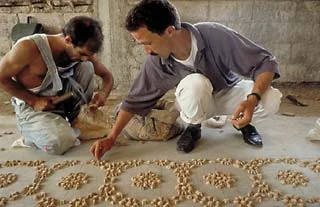
-FROM THE MOROCCAN (OR MORE PROPERLY SAID FASSI, NATIVE OF FEZ) ART OF ZILLIJ IS THE FURMAH, THE THUMBNAIL SIZE, GEOMETRICALLY SHAPED, CUT AND CHISELED GLAZED TILE THAT, WHEN PIECED TOGETHER WITH OTHERS AND PLACED UPSIDE DOWN, CEMENTED AND LIFTED RIGHTSIDE UP INTO A POLYCHROME MOSAIC, CREATES, SAY, AN EXPLOSIVE MI’INI (100) POINT STAR

-A GRAIN OF SAND, THE TINIEST COMPONENT OF THE SAHARA, ITS “SALTATION” DESCRIBED BY DESERT EXPLORER AND AMATEUR SCIENTIST RALPH BAGNOLD IN HIS CLASSIC PHYSICS OF BLOWN SAND AND DESERT DUNES, FROM RESEARCH CONDUCTED IN A WIND TUNNEL IN ENGLAND TO RECREATE THE CONDITIONS OF THE KHAMSEEN, THE FIFTY DAY WIND COMING FROM THE SOUTH

-A HORSESHOE ARCH IN THE CORDOBA MOSQUE, ONE OF HUNDREDS, THE LAW OF THE PHYSICS OF VECTOR FORCES EXPLAINS WHY IT ADDS STRENGTH TO BEAUTY

-A FARKH, THE LATHE-TURNED, PLUG-SHAPED, THUMB-SIZE WOODEN COMPONENT- a baluster- OF A MASHRABIYA SCREEN, THAT WHEN ERECTED IN OPEN WINDOWS SEPARATES THE INSIDE FROM OUT, WOMEN FROM MEN, THE PRIVATE FROM THE PUBLIC

-A FRAGMENT OF MONUMENTAL CALLIGRAPHIC TILE LIFTED FROM A FRIEZE, OFTEN JUST A PIECE OF A SINGLE WORD, LETTER, OR DIACRITICAL MARK- PERHAPS A SUQUN OR AN ALIF MANQUS, A “DEFICIENT ALIF”- THAT WHEN COMPLETED TOGETHER WITH ITS SISTER PANELS CREATES THE FULL SENSE OF THE SENTENCE, IN CERAMIC

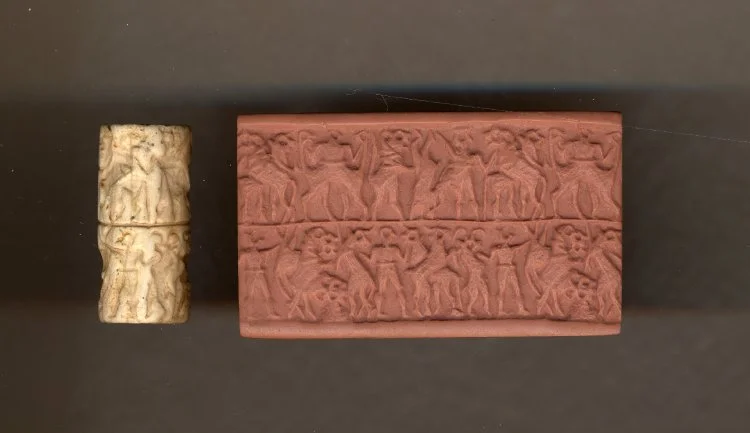
-A CYLINDER SEAL FROM NINEVAH, EACH SEAL A PARTIAL PHRASE IN A LONGER DOCUMENT ABOUT, SAY, COMMERCE OR LAW, OR PERHAPS A WARNING OR AN ADMONITION- “THIS LAND IS PROTECTED BY FURROW WORK”

-A HEMISTICH, OR HALF-LINE OF PRE-ISLAMIC ARABIC POETRY, THE BUILDING BLOCK OF A QASIDA, AS IN THE MU’ALLAQAT OF IMRU AL-QAYS, “STOP O FRIENDS TO WEEP OVER THE MEMORY OF MY BELOVED”


furmah1.JPG
220px-Sand_from_Gobi_Desert.jpg
arch.jpg
moroccan-decorative-screens.jpg
121537886_o.jpg
seal.jpg
poem.jpg

101 Objects from the Lands of Islam- How to Count, Cook, Calligraph and More, from Morocco to Indonesia, #1

Note- this series is inspired by the British Museum’s History of the World in 100 Objects, from #1 Egyptian Mummy to #100 Solar Powered Lamp

HOW TO START

WITH THE LETTER ALIF, A SINGLE DOWNWARD STROKE TO BEGIN THE LETTERS OF THE ARABIC ALPHABET, AS MY TEACHER AHMAD TAHIR HASSANAYN ONCE SAID, "ALIF COMES FIRST IN THE DICTIONARY, AND BEHIND IT FOLLOWS INFINITY". FROM BORGES’ ALL-SEEING STORY “THE ALEPH”, TO THE WEHR DICTIONARY’S THIRD ENTRY FOR THE TRILITERAL ROOT ALIF, LAM, FA’- ILF, MEANING LOVER, OR MU’ALLIF, MEANING WRITER, ALL THE WAY TO THE ALIF’S TWIN BROTHER WAHID, THE COUNTABLE ONE, THE SAME VERTICLE SINGLE STROKE, BUT NOT USED ALWAYS TO COUNT OBJECTS AS IN ENGLISH, VIZ. ONE THOUSAND AND ONE NIGHTS, BUT HERE IS ALF LAYLA WA LAYLA, AS TRANSLATED LITERALLY, A THOUSAND NIGHTS AND A NIGHT, NOT ONE THOUSAND AND ONE OF ANYTHING ELSE


Arabic_Alif.gif

Urban Pathfinding

published in the Christian Science Monitor, September 1990

“Continuing straight ahead with blue markers, the trail descends at a fair grade through the conifer forest, crosses a brook, comes to a level stretch and passes a spring. Still descending moderately, a marshy tributary is crossed after which the trail reaches the right bank of the Opalescent River and crosses it on stones.'

- Directions from Avalanche Camp to Feldspar Brook, from Guide to Adirondack Trails

For a big-city resident like myself, pathfinding is quite a different problem  than  that faced by a hiker through the Adirondack Mountains. And even more different for a boy from the Mis­souri woods, where I once played. After living in New York for some 10 years now, I've learned that getting from here to there takes more than just following blue markers straight ahead, descending moderately, and crossing a river on stones.

It takes the ability to find and keep a single path through the mind before even setting out the door. What seems the inexorable linearity of tramping along a for­est trail becomes on city sidewalks a constantly shifting challenge to my original intentions. Walking down Fifth Avenue past million­ dollar boutiques and homeless people sharing the same block, how many times have I found myself asking, "Now where am I going?" If I weren't perfectly sure at the outset, I doubt I would ever arrive.

Although some may disagree,  I think people are far more likely to dally in a bookstore than beside a marshy tributary. A flashy dis­play in a store window  catches our attention longer than a coni­ fer  forest ever could.  I even think that  spotting  a Greta  Garbo out for a walk would stop us in our tracks faster and harder than suddenly catching the view of the Opalescent River.

 When I was young I lived next to some woods laced with many trails. Mos t of them ran sharply downhill toward the Missouri River, and each had a name. "Broken Tooth," famous for a sledding accident whose victim was long forgotten. "Smiley's, " in honor of the judge who  once lived at the bottom of its first dip. And "Living Bridge," which  had a gigantic oak tree, miraculously still living, blown across its steep gully.

I  hiked  through  those  woods all day, finding it pure pleasure to set off at the upper end of the run, knowing that at the bottom I would be stopped by a river too wide  to be crossed  on stones.

And. the trail really did lead straight ahead . especially in the summer when the undergrowth on both sides was so dense I could only see frontward. When the de­scent finally smoothed to the level, I knew I'd arrived where I wanted to go.

But 25 years later I'm not cer­tain if all those trails are still clear, I can't say if the "Living Bridge" is even still alive. It has been too long since I've set off down a path with that kind of foreknowledge, sure of how to get there and what I'll find when I do.

I wonder if living in the city is somehow the reason for this un­certainty. Or is it that my life now has too many paths toward too many goals?

I'd like to think it is the citv's fault  that  pathfinding   is  not  as easy now as it once was , because I've always intended to leave any­way. Move back to the country and  follow again a single trail. But I realize it has more  to  do  with who I am rather than where I live. After several career changes and with a family I too often ignore because my mind is elsewhere , I know the problem is mine,  not New York's.

So I can't in all honesty blame complicated subway line s and bus routes whenever I lose my way. Streets in New  York  are  marked at least as well as trails in the Adirondacks. And here  the y  are all numbered , so I have eve n less reason for getting lost.

When in midstride I suddenly forget where it is I'm going, it must be because I've forgotten something more important be­ fore setting out.

No, I can't blame that on where I live. The problem is the pathfinder , not the path.


The Chisholm Trail in Sudan, North to Cairo

 Note- published in the St.Louis Post Dispatch, December 27, 1987

·

VOICE SINGS in the desert, rising above the wind's steady rush over a campfire in the eastern Sahara. Singing for his fellow Kababish tribesmen assembled at the fire is Saeed abd al-Faraj, Servant of Joy.

Saeed is an illiterate camel drover from northwestern Sudan's Kordofan Province, an area ' devastated by drought and famine but still alive with the camel herding and poetic traditions stemming from the pre-history of the Arabian peninsula, from where the Kababish tribe is said to have come many centuries ago.

Saeed is entertaining his weary companions, who lightly interject their own oaths, praise and encouragement between the deep breaths the poet must take to reach the end of his long verses. The group has been driving a herd of camels from t eir home territory toward Cairo, about 1,000 miles to the north.'

As their guests, a friend and I recently had the first opportunity for outsiders to accompany the Kababish for the length of the Darb al-Arba'iin, or Trail of the Forty, so named for the journey's average number of days. The Sudan-to­-Cairo camel trade is perhaps the last such instance anywhere in the world of men driving livestock to distant markets, with unrestricted movement across large empty spaces.

The rituals, rhythms and hardships of trail life for the camel drovers are much the same as t!tey were for the American cowboy driving longhorns up the Chisholm Trail after the Civil War. Clint Eastwood as Rowdy Yates, Montgomery Clift in Howard Hawks' film "Red River," and the real-life E.C. "Teddy Blue" Abbott, Bylis John Fletcher and Thomas "Andy" Adams would have felt right at home sharing grub and wrapping up in their blankets beside Saeed and his companions Masood, Muhammad and trail boss KhairAllah after a long, dusty day in the saddle.

Abbott's We Pointed Them North (University of Oklahoma Press, 1966), Fletcher's Up the Trail in '79 (University of Oklahoma Press 1968) and Adam's The Log of a Cowboy (University of Nebraska Press 1964), three rare and now classic memoirs of the Chisholm Trail, closely mirror the life of their contemporary Sudanese confreres.

But whereas the songs of the cowpunchers recounted their long suffering on the trail, a camel drover today is more likely to sing of the pleasures found at trail's end. While on night watch, Teddy Blue would have softly lamented:

I'm up in the morning afore daylight

And afore I sleep the moon shines bright.

- No chaps and no slicker, and it'S pouring down rain,

And I swear by God that I'll never night-herd again,

Somewhere in the Sahara, Saeed tonight is probably sitting comfortably at the fire's edge, his camels securely hobbled and in no danger of stampeding or wandering, singing:

Her waist isn't flabby but her hips are wide,

Yet still just a hand can gird the buttocks riding high.

By the life of the Prophet! On a feast day!

Her gown shines brighter than the dawn's glow.

His fellows break into laughter when later Saeed makes it clear that the "her" of the poem is a she­ camel and not the young maid of whom all had been dreaming.

Mostly what lured cowboys onto the trail was the boredom of staying alone on the ranch for too long, or the hope of passing through Oga­lalla, the so-called Gomorrah of the cattle trail, and winding up the trip in the saloon-ridden railheads of Ab­ilene and Dodge City with a pocket full or wages. Young drover Berry Robuck or Lockhart, Texas, was ob­viously keeping secrets from his mother when he told Joe McCoy, builder of Abilene's cow palace, that "stampedes, high water, hailstones, thunder and lightning which played  on  the horns of  the cattle  and my horse's ears compensated for the unpleasant things."

For the Kababish tribesman, the excitement of seeing the new and different is partly what makes them, especially the young, endure the rough life of the trail. Cairo is, after all, Africa's largest  city, with more inhabitants than the entire Su­dan, and one of the most important religious capitals of Islam.

Hardship at home, however, is even a stronger motive to put the Kababish on the trail. Many have lost their own herds to the drought, either through thirst and starvation or in distress sales to the big mer­chants with whom they now sign on as drovers. An·d all are increasingly in need of cash wages.

But in all other aspects - the drover's wise-to-the-world superior­ity over the sedentary townsman, the trail's dangers from weather, terrain and human foe, the stacked, bleached bones of their fallen charges now used as cairns, the bone numbing fatigue from days and nights in the saddle, and the throat parching dust thrown up by the herd but rarely washed down by water - the camel men and cow­boys are brothers in both mind and body.

It's not for nothing that the pan-­handle town of Sudan, Texas, not far from Muleshoe, is situated in the same part of the state that the Kor­dofani village of Donkey Ear is situ­ated in the Sudan. To list all of Tex­as' cattle-named towns and the Sudan's camel-named villages would be too big a job.

Finding easy trails and watering the livestock at decent intervals was a major concern of both camel and cattle boss, even if a camel is much heartier than a longhorn. While the scent of a watering hole from miles away might stampede a herd of cat­tle going without water for only a couple of days, our camels had to be coaxed to drink after 12 dry days on the march. This was done by letting them graze amply beforehand to fill their bellies with roughage and wait­ing until the sun was well overhead. Even when near their death from thirst, camels can be very fickle drinkers.

A dominant animal - stronger, calmer and usually gelded - would quickly emerge in each herd and take the lead. Cattlemen depended on their lead animals more than camel men do theirs because the naturally skittish prairie cattle were always ready to stampede unless restrained from ahead. Old. Blue, a lead steer in a herd belong to Charles Goodnlght, became so indispensible on his first trail that he was led back to lead other drives, working eight seasons in all before being put out to pasture. His mounted adorned the Goodnight ranch office.

Because one rambunctious animal could set off the entire herd, various surgical procedures were performed on those misbehaving. Particularly wild steers would have their eyes sewn closed, and by the time that thread rotted, in about  two weeks, they would have become considerably meeker.

In a camel herd, the malcreant was always the rutting male, whose obscene "flaming grimace," slmilar to a horse laugh but with a deep gurgle, rearing head, and partial expu!sion of an inflated throat bladder, sends females into a frenzy and riles every other male. The only solution is to pierce his nostril  with string and hang a heavy object from this sensitive patch of skin, which stops short whenever he begins to cause trouble with a lusty toss of the head.

Rustlers were a common threat to both cttle and camel drovers. A routine modus operandi of the Old West’s “jayhawkers, red legs, and bushwackers" was to stampede the herd and then offer to round  up strays for five dollars a head. The Kababish faced the same kind of problem from desert thieves such as Billa All  al-Qurain  (The Little Horned One), who cut single camels from the herd during fast-paced, moonless night rides and then would ap­proach the trail boss the next day, demanding a bounty for the lost camel they claim to have found the night before.

Whlle camel drovers today and tomorrow will continue to share the same trail life that the cattle drovers lived about 100 years ago, they will undoubtedly also face the same future, as forces beyond their control draw their days of driving to a close.

Regardless of the camel trade's ability  to  rebound  from  the 1985 drought, it is clear that the camel drovers will soon find themselves out of the saddle so to speak. The laws of supply and demand - cheaper transportation costs of new roads and rail lines, changing con­sumer tastes, and the eventual ex­haustion of surplus livestock -   all contributed to the end of the cattle· drives on the Chisholm Trail, and will likewise hurry the demise of the Kababish camel drives on the Darb al-Arba'iin.